Witch Hunters, Belief, and the Human Cost of Accusation
How a recent incident in Sierra Leone echoes themes from our founders book, The African Mosquito War
A heartbreaking incident has drawn attention to the dangers of fear and misinformation, and to the need for education in Sierra Leone. Eight women were publicly accused of witchcraft and blamed for declining fish catches in local waters. Concerned community members turned to traditional witch hunters…figures who continue to hold influence and respect in some areas…to identify those believed to be responsible. The accused women were subsequently subjected to public humiliation before large crowds.
While many in the community viewed the poor fishing as the result of supernatural forces, environmental factors provide a more likely explanation. Pollution, overfishing, changing ocean conditions, and the effects of climate change have all contributed to declining fish populations in many coastal regions. However, where access to scientific education and environmental information is limited, unexplained hardships are often understood through traditional beliefs.
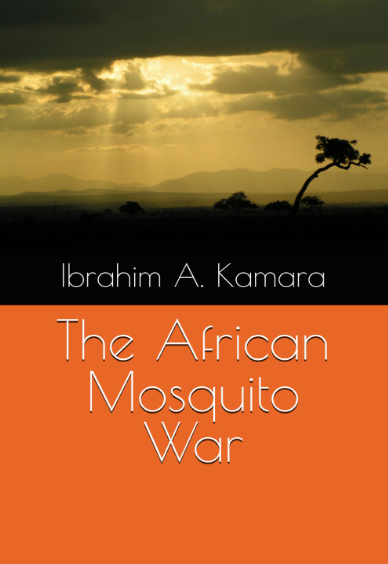
This reality is reflected in The African Mosquito War by Ibrahim Kamara. In the novel, villagers seek answers from witch hunters during malaria outbreaks, believing supernatural forces are responsible for the suffering around them. Kamara’s story illustrates how deeply rooted beliefs can shape community responses to crisis, a dynamic that continues to affect real lives today, particularly those of vulnerable women.
The recent accusations serve as a powerful reminder of the importance of education, environmental awareness, and access to reliable information. These resources not only help communities understand and address complex challenges but also protect innocent people from harmful accusations, public humiliation, and social exclusion.
For many readers, the world portrayed in The African Mosquito War, where witch hunters are consulted to explain illness, misfortune, and natural events, and where those accused can face severe punishment, may seem difficult to imagine in the twenty-first century. Yet Ibrahim’s story is rooted in realities he experienced growing up and reflects traditions that continue to influence some communities today.
In areas where access to education, healthcare, and scientific information is limited, people often rely on long-standing cultural beliefs and practices to make sense of the challenges they face. Witch hunters are not viewed as outsiders or villains by many community members; rather, they are respected figures whose guidance is trusted.
One of the strengths of The African Mosquito War is that it invites readers to look beyond their own assumptions and gain insight into a different cultural perspective. Whether readers agree with these beliefs or not, understanding them helps foster greater awareness of the social, historical, and economic realities that shape people’s lives.
If you’d like to order The African Mosquito War and help support our mission, click the button below.