Growing Through the Seasons: Supporting Farmers in Sierra Leone
In Sierra Leone, farming is closely connected to the rhythm of the seasons. The country is warm throughout the year, but the seasons are defined largely by rainfall. From May through October, the rainy season brings the water that farmers depend on to grow their crops. Without irrigation, farming is largely limited to this rainy season, making the timing of planting and harvesting especially important.
For the more than 40 smallholder farmers participating in the SHARP agriculture program, these seasonal rhythms shape nearly every aspect of their work.
Making the Most of the Rainy Season
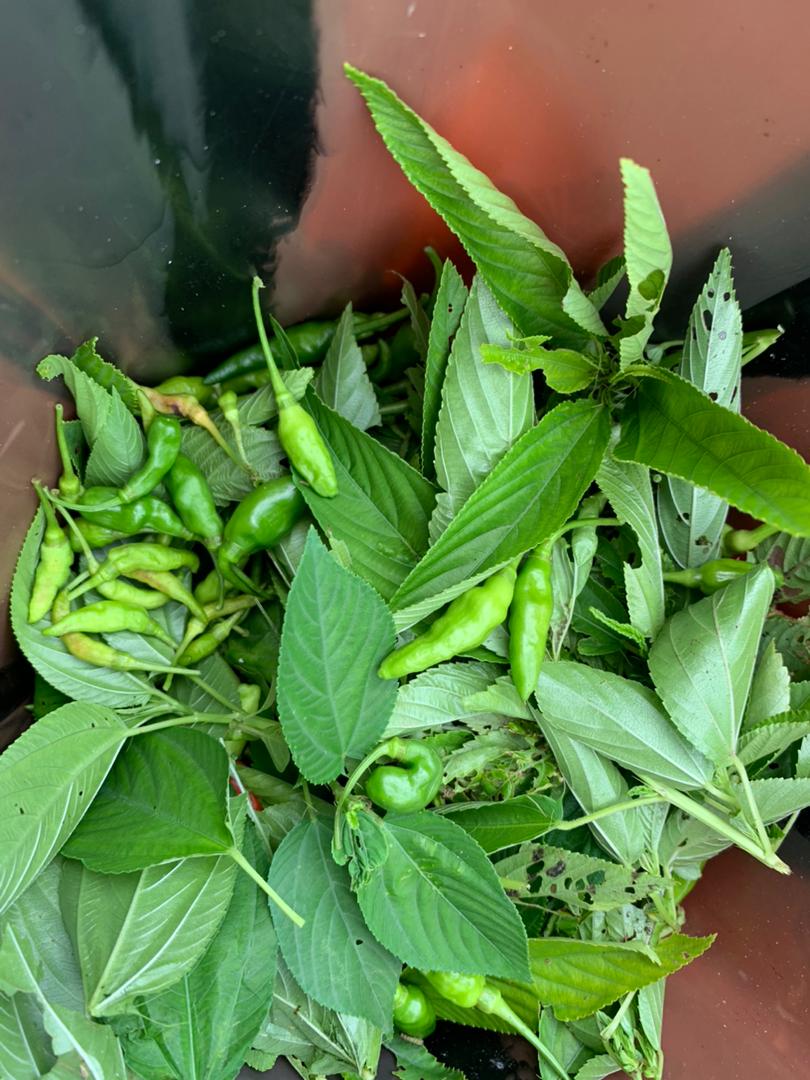
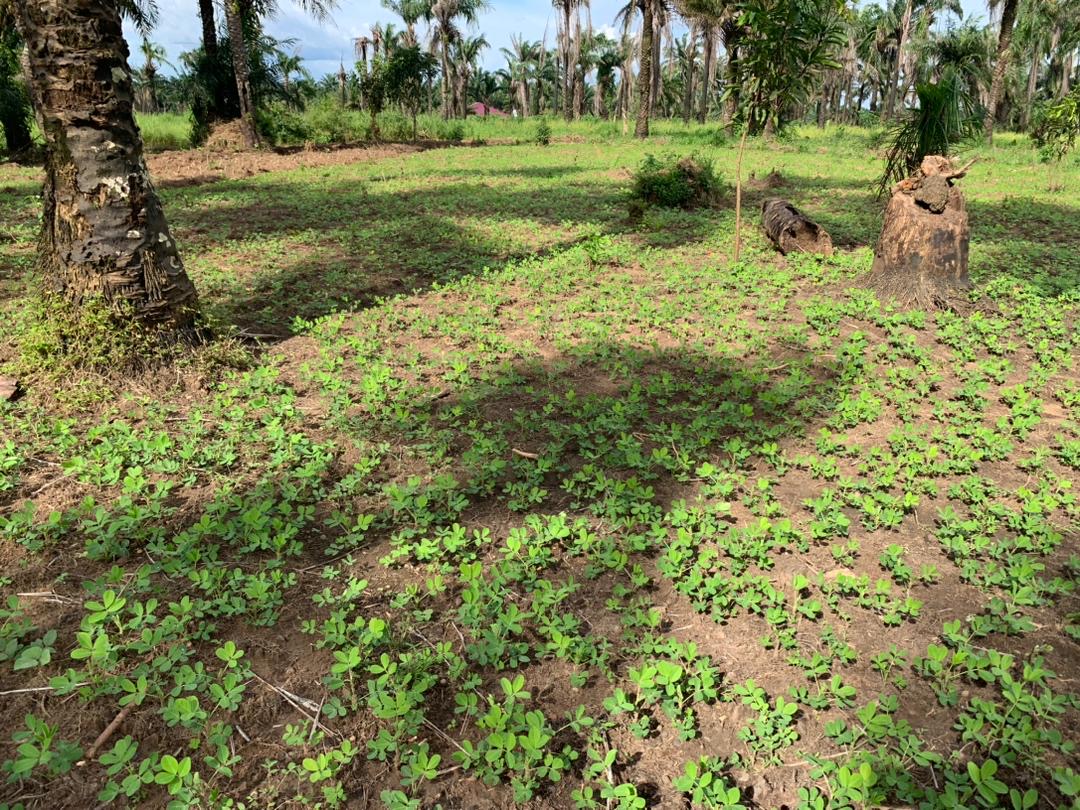
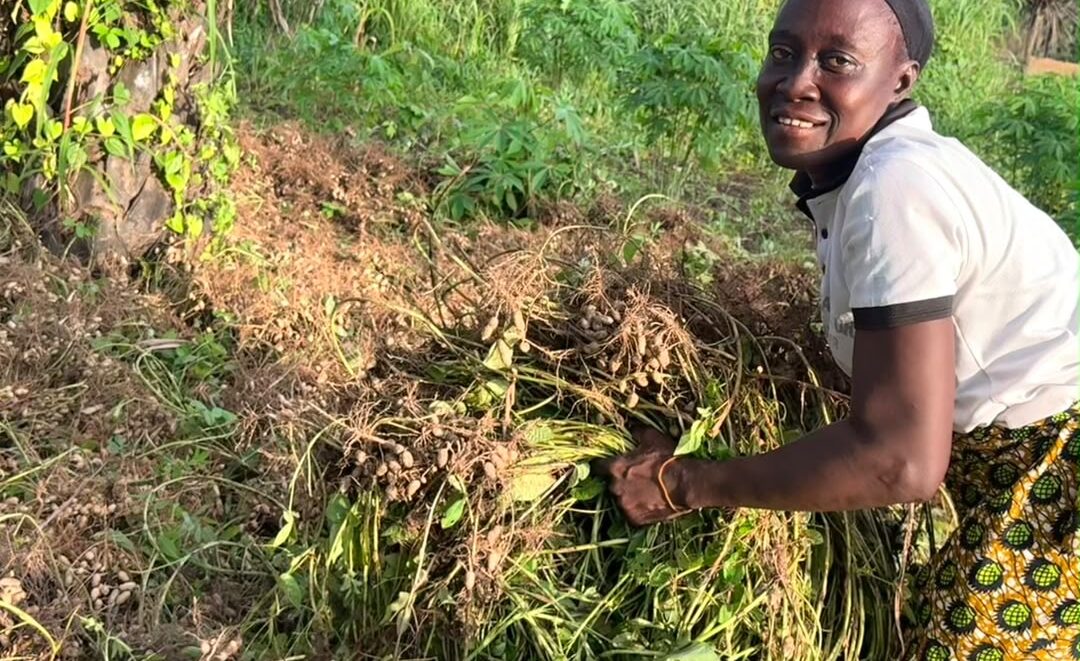
The rainy season gives farmers the opportunity to grow two crops of vegetables and peanuts. The first is planted in May, as the rains begin, and the second is planted in late August.
With each harvest, farmers carefully decide how to use what they have grown. Some of the food goes home to feed their families. Some is sold to provide income for household needs. And some of the best seed is saved for planting the next crop.
This cycle of planting, harvesting, eating, selling, and saving seed is at the heart of smallholder farming. Every harvest has to stretch as far as possible.
Farming Without Machinery
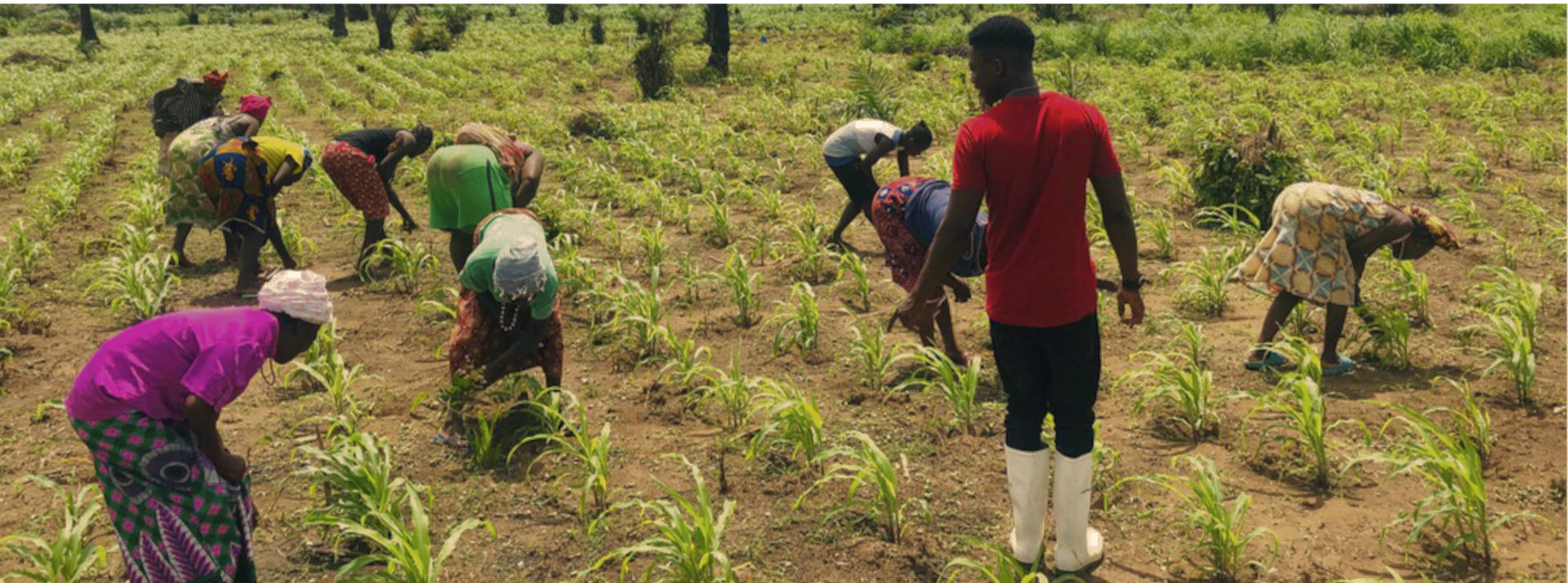
None of the farmers in our program have access to farm machinery. Their farms are worked entirely with simple hand-held tools. Preparing the soil, planting, weeding, harvesting, and moving crops and supplies all require physical labor and time.
SHARP’s Tool Loan Program helps farmers by giving them access to a wider variety of tools that they may not otherwise be able to afford. Tools such as wheelbarrows and watering cans can make everyday farm work easier and more efficient.
A wheelbarrow can help transport soil, fertilizer, crops, and other materials. A watering can provides farmers with a way to give their crops water when rainfall is insufficient.
These may seem like simple tools, but for a smallholder farmer working without machinery, they can make a meaningful difference.
Seeds, Fertilizer, and Knowledge
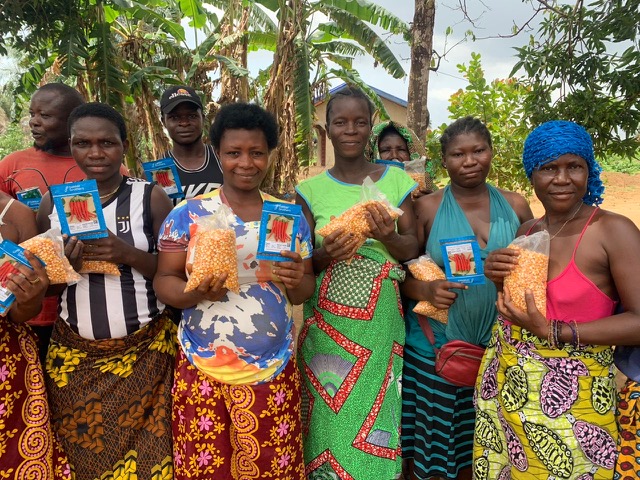
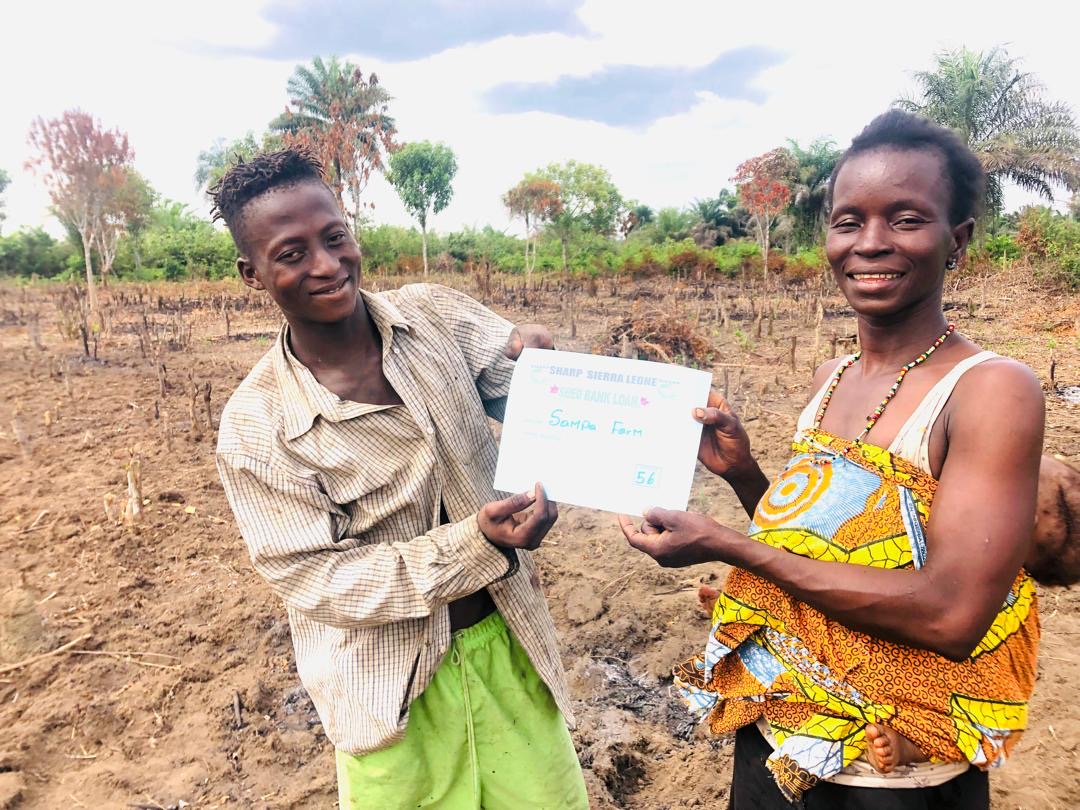
Tools are only part of what farmers need to succeed. SHARP also provides seed loans and fertilizer, helping farmers get their crops started and maintain productive fields.
Just as importantly, SHARP provides training and consultation. Farmers have access to people who can help answer questions, offer advice, and introduce farming practices that can improve production. In addition, farmers can visit our model farm for hands-on training in sustainable practices.
The goal is not simply to help farmers get through one growing season. It is to give them resources and knowledge that can strengthen their farms over time.
Adapting to a Changing Climate
For farmers who depend on rainfall, a changing climate presents real challenges. Sierra Leone receives significant rainfall during the wet season, but farmers cannot control when the rains arrive, how much rain falls, or how evenly it is distributed. Heavy rains can bring flooding and erosion, while periods of insufficient rain can leave crops without the water they need.
When farming depends almost entirely on rainfall, even a change in the timing of the rains can affect an entire crop.
That makes climate adaptation an important part of building resilient farms. Access to water, appropriate tools, quality seed, fertilizer, training, and better farming practices can all help farmers respond to changing conditions.
Even simple resources can make a difference. A watering can, for example, gives a farmer another way to protect a crop during a dry period. Training can help farmers make better decisions when weather patterns are unpredictable. And saving seed from one successful harvest provides a foundation for the next season.
Adaptation is not something that happens all at once. It is built through practical solutions that farmers can use season after season.
Supporting Women Women Farmers in Sierra Leone
Many of the farmers in our program are single women supporting their families. For these women, farming is much more than a livelihood. It is a way to provide food for their children, earn income, and create greater stability for their households.
When a farmer produces a successful crop, the benefits reach far beyond the field. Food goes home to the family. Produce sold at market generates income. Seeds are saved for another season. Supporting a farmer means supporting the family that depends on her.
Building for the Future in Newton Village
SHARP currently supports more than 40 smallholder farmers, and our vision for agriculture continues to grow. We are building an agriculture center on the site of the new school in Newton Village. The center will provide a place for agricultural training, consultation, community learning, and will house the seed and tool loan resources.
It will be a place where farmers can gather, learn new skills, share knowledge, and explore practical ways to improve their farms and adapt to changing conditions.
The agriculture center will also create a connection between education and agriculture. As the new school grows, so will opportunities to help the next generation understand the importance of farming and the resources needed to build a sustainable future.
Growing Hope, One Harvest at a Time
Farming in Sierra Leone takes hard work, patience, and careful planning. It means working with the rhythm of the seasons, often with little more than hand tools and determination. It means making every harvest count—feeding a family, earning an income, and saving seed for the next crop.
Through the SHARP agriculture & food security program, farmers have access to tools, seeds, fertilizer, training, and ongoing support. These resources help them make the most of each growing season while building resilience for the future.
A seed planted today represents more than a future harvest.
It represents food for a family.
Income for a household.
Seed saved for another season.
Knowledge passed from one farmer to another.
And hope for a stronger, more resilient community.
Together, we are helping farmers grow not only crops, but opportunity, independence, and hope for the future.
-
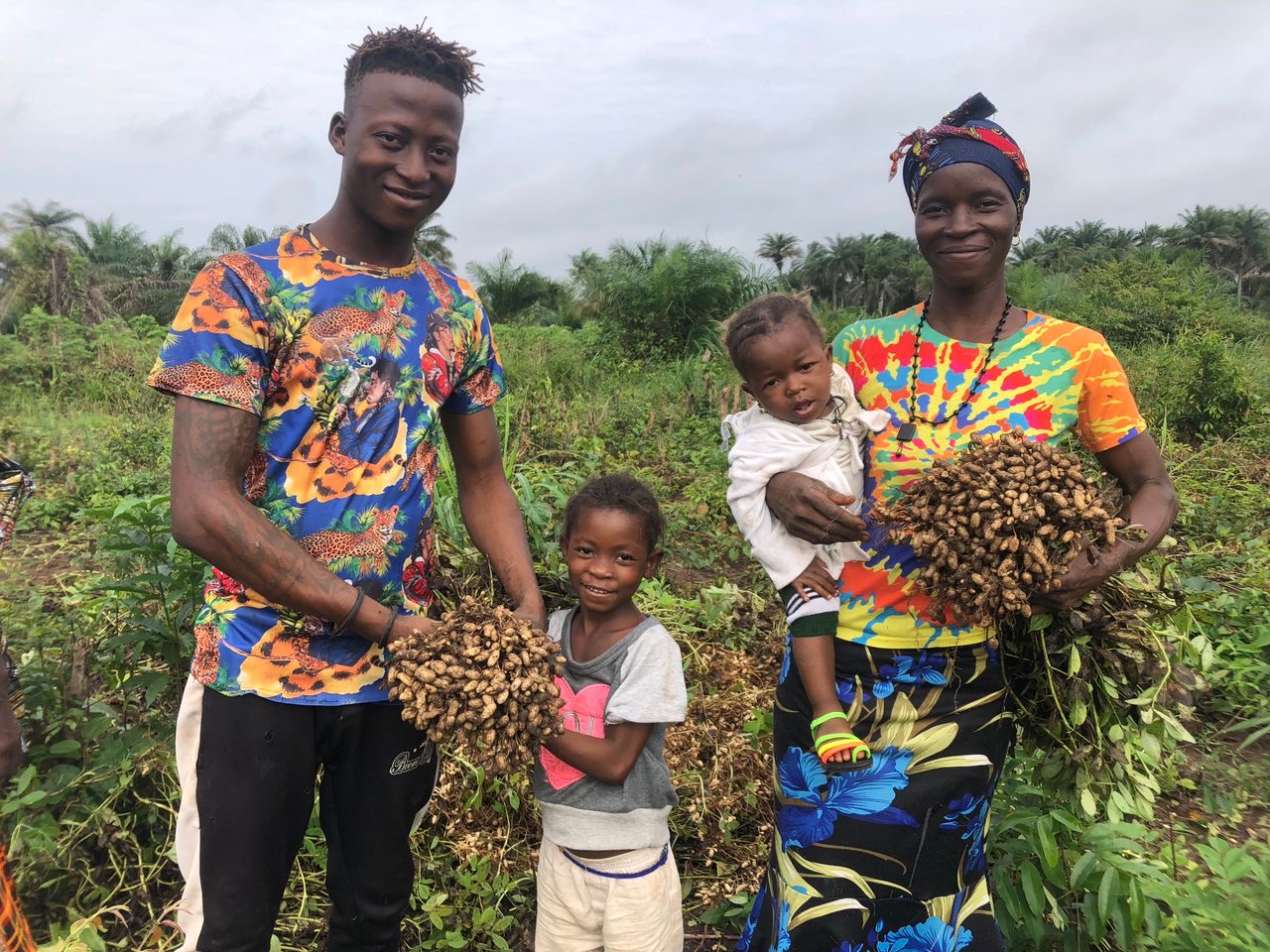
- Mariatu and family with their 2023 peanut harvest
-

- Farmers receive vegetable seed
-
- Farmers qualify for a seed loan
-

- Planting seeds at the model farm

-

- A farmer surveys her crop

-

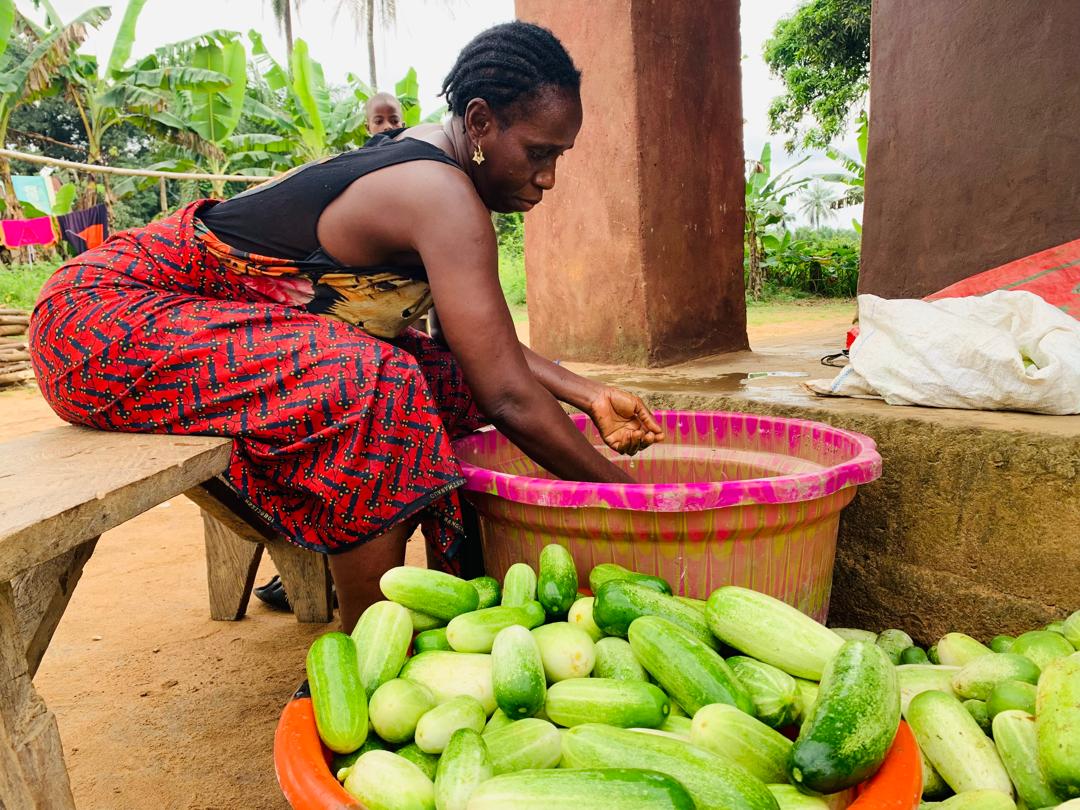
- A farmer with her cucumber crop
-

- Rice

-
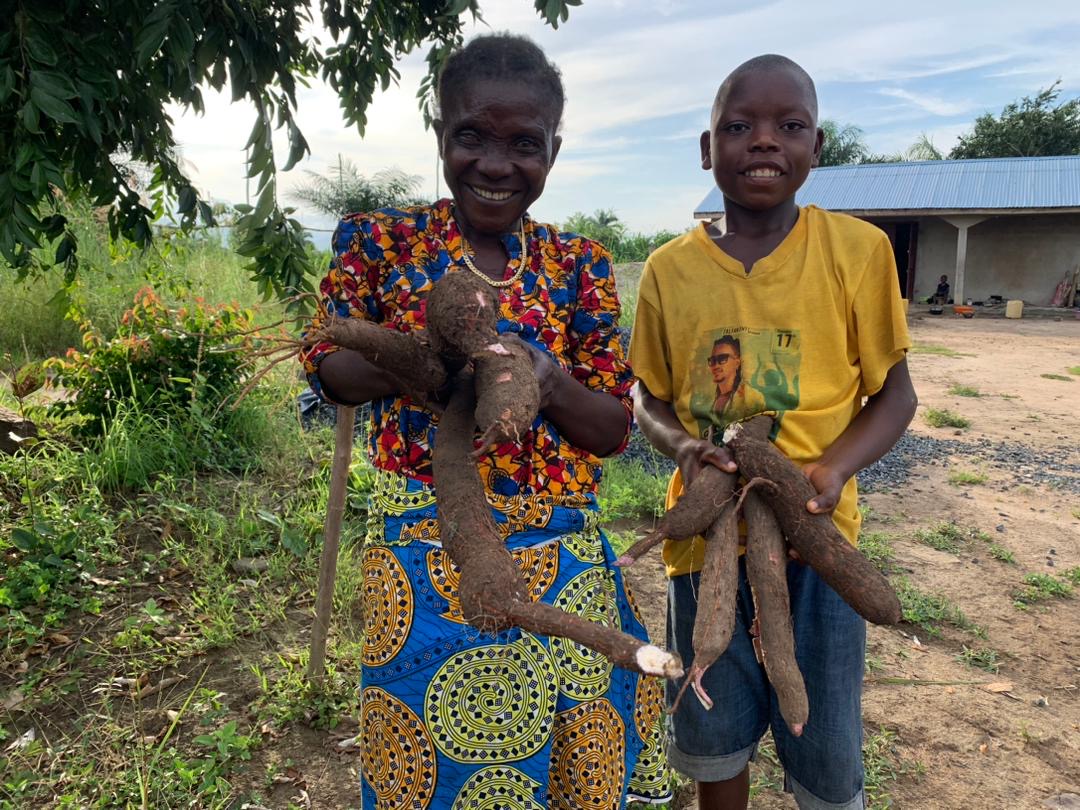
- cassava
-
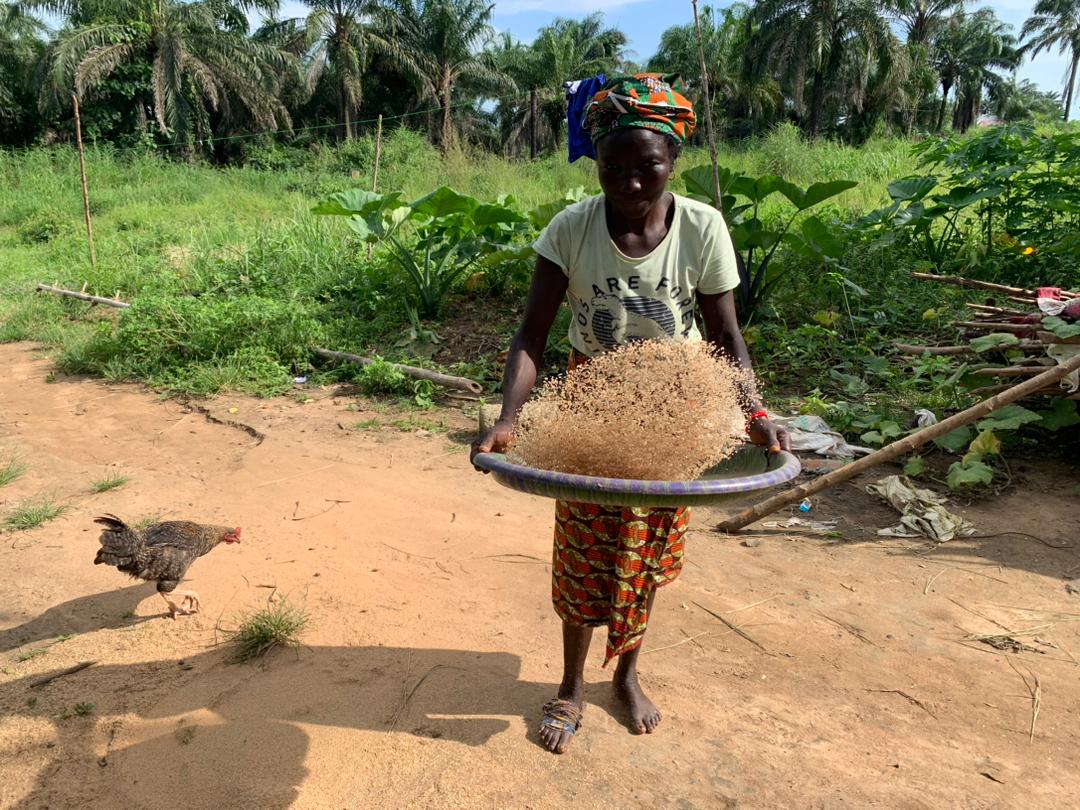
- sifting rice