Bridging Tradition and Health: Why Education Matters in Rural Sierra Leone
In rural Sierra Leone, life is shaped by deep community ties, strong faith, and longstanding cultural traditions. These traditions include ways of understanding illness that have been passed down through generations. As we continue to build and support our school, we do so with deep respect for this cultural heritage — and with a firm belief that education can work alongside tradition to save lives.
Medical Care in Rural Communities
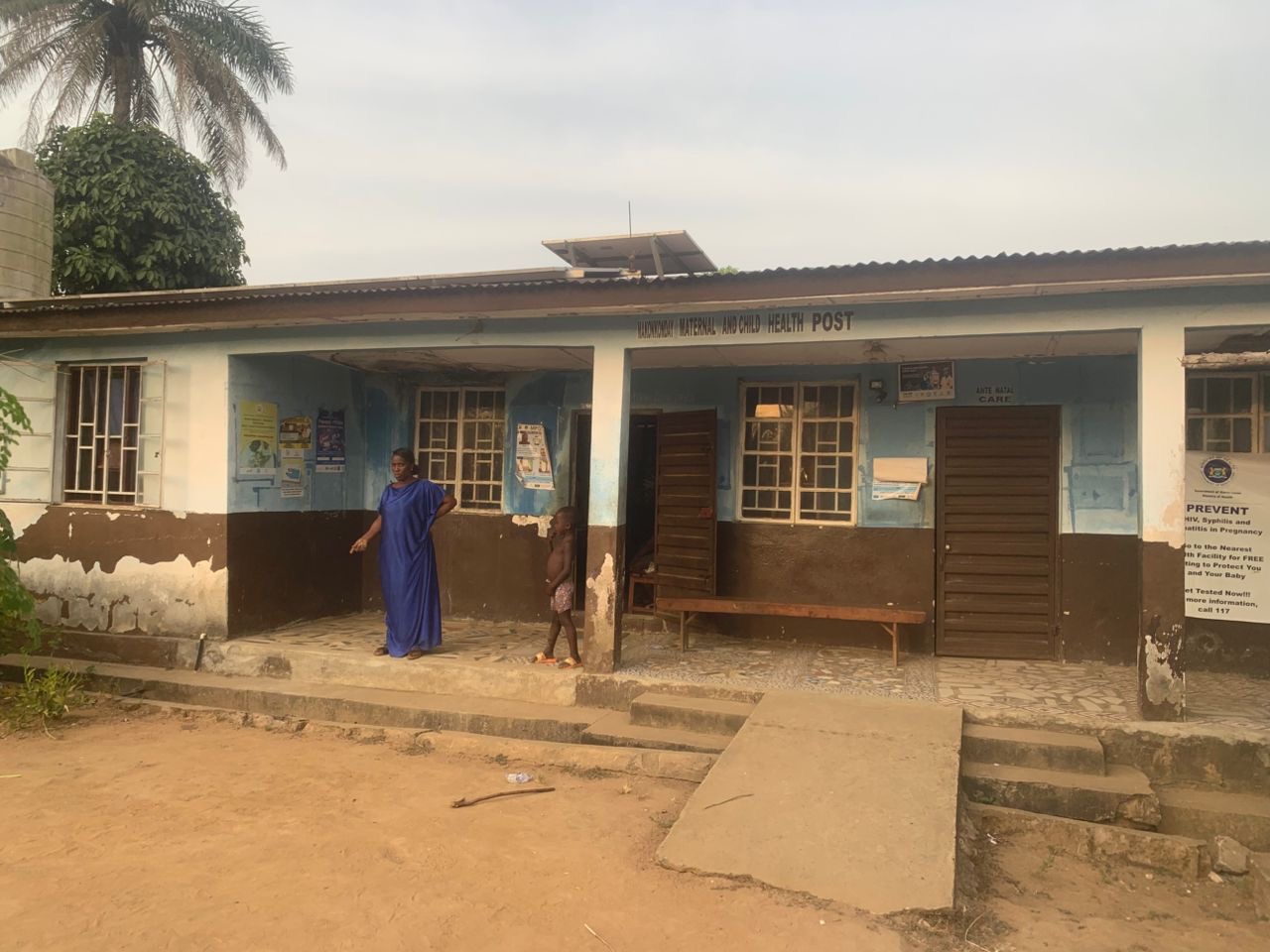
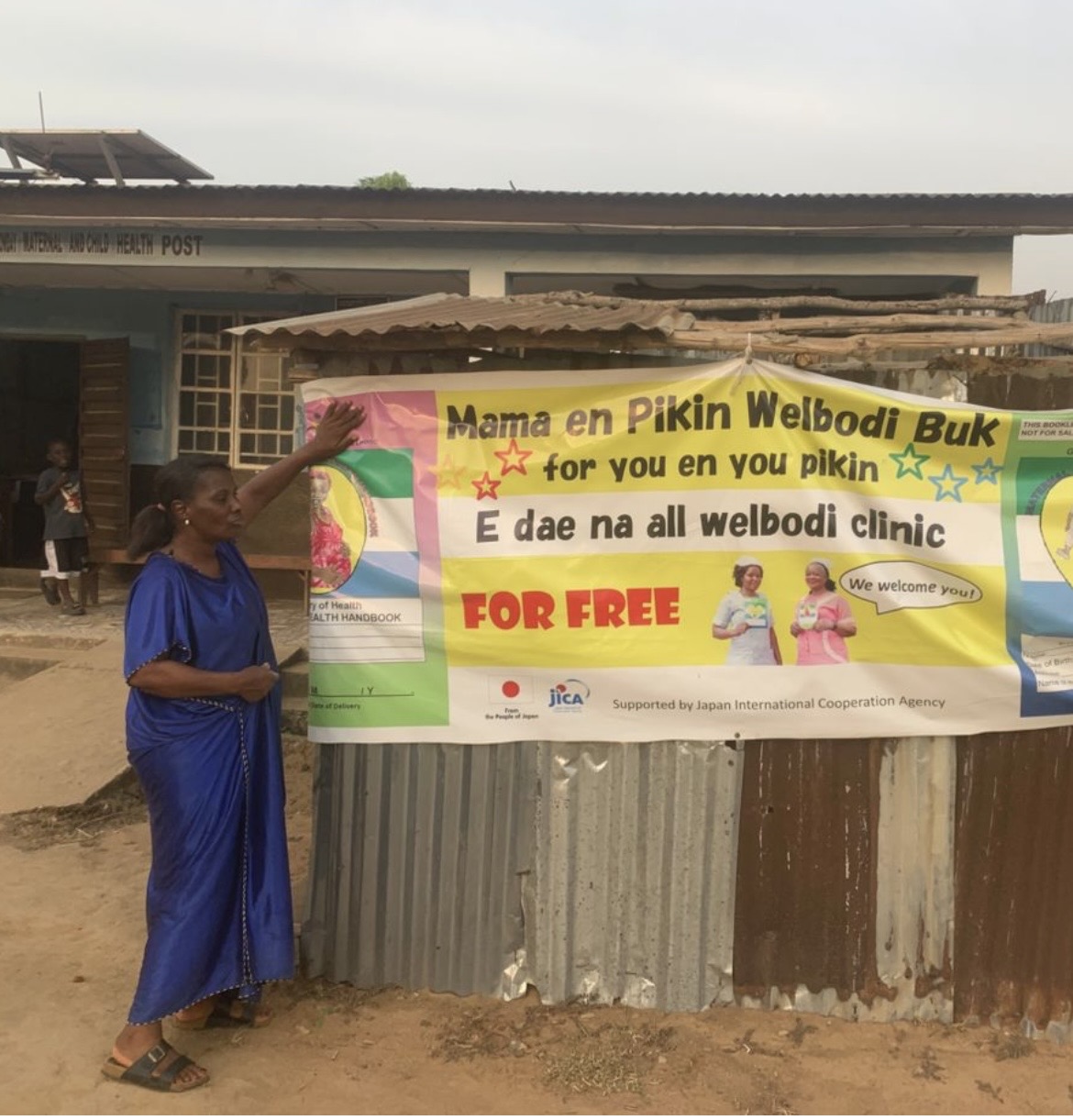
Access to medical care in rural Sierra Leone can be extremely limited. Villages are often far from hospitals or clinics, roads may be difficult to travel, especially during the rainy season, and health facilities frequently lack supplies, equipment, and trained staff. For many families, simply reaching a clinic can require time, money, and transportation that are not readily available.
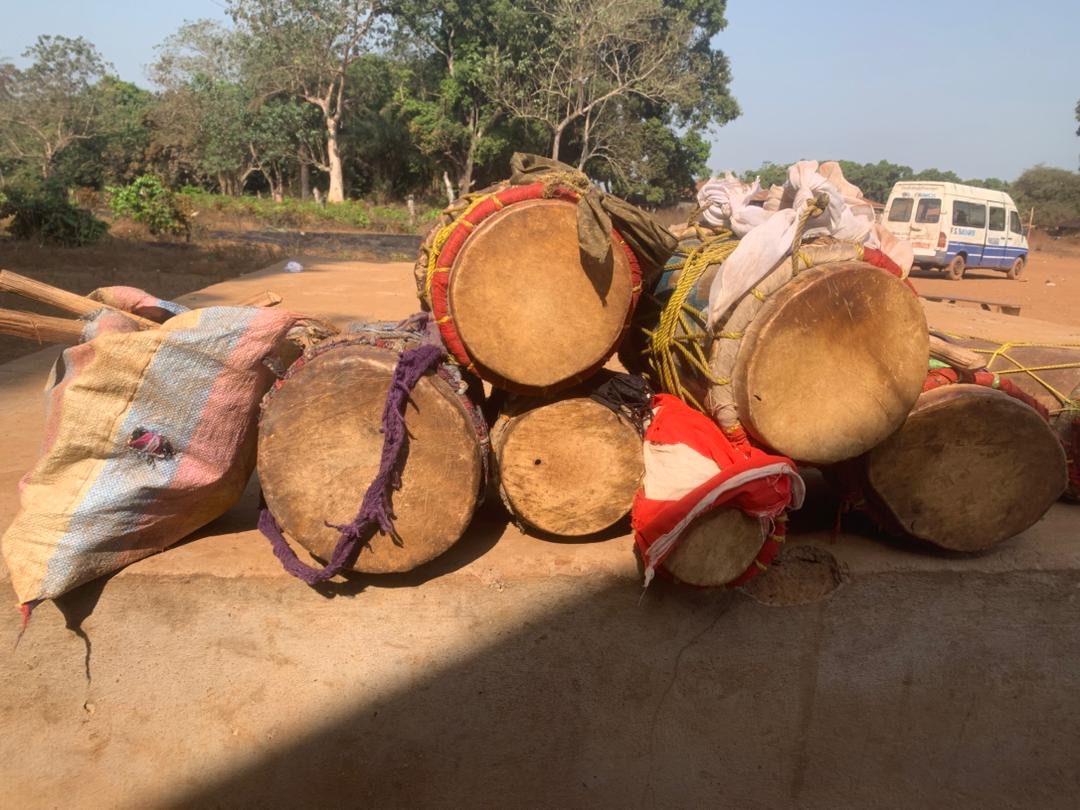
Because of these challenges, families often turn first to trusted local healers, religious leaders, or herbalists when someone becomes ill. These individuals hold respected roles in the community and provide care rooted in cultural and spiritual beliefs. Occasionally, families combine traditional remedies with modern medicine. In many other cases, especially when illness is believed to have a spiritual cause, families may rely solely on spiritual healing.
Beliefs About Illness
In many rural areas, sickness is sometimes understood as something that can be caused by spiritual forces, curses, or evil spirits. This perspective is not unique to Sierra Leone — throughout history and across cultures, people have sought spiritual explanations for illness.
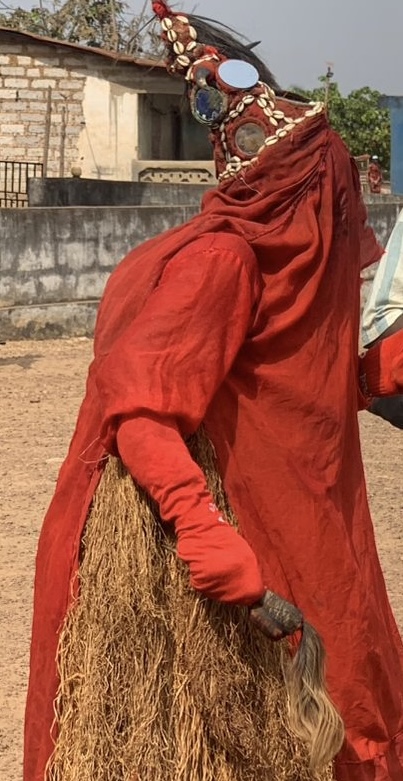
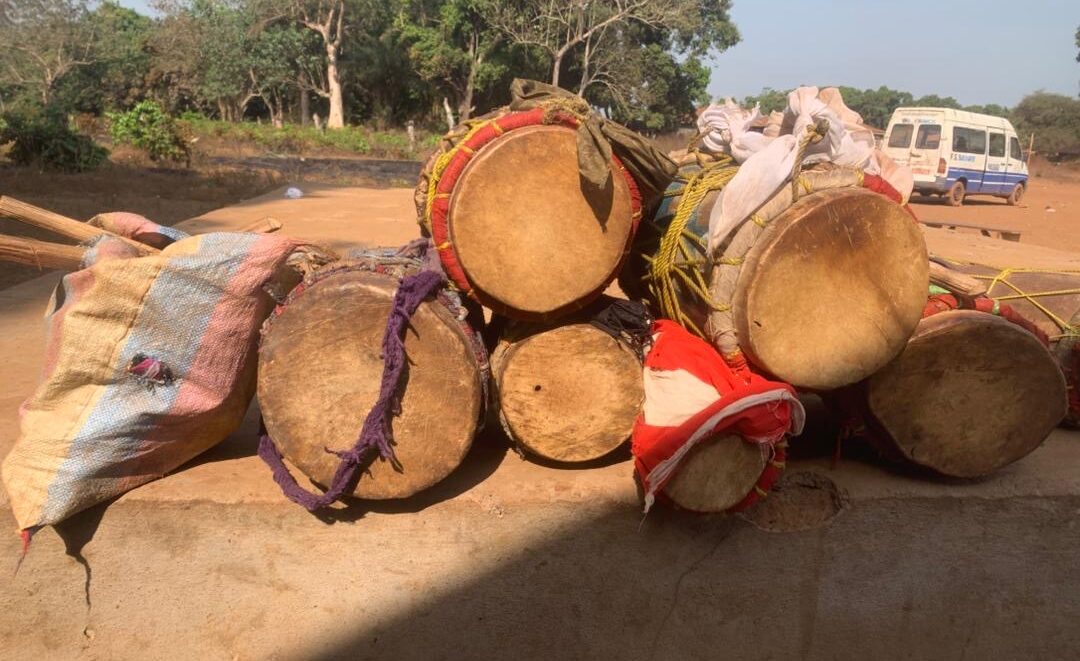
In The African Mosquito War, Ibrahim Kamara portrays traditional spiritual treatments for malaria rooted in cultural traditions, including practices that reflect a more difficult period in the past.
These beliefs shape how families respond when a child becomes sick. If symptoms are seen as spiritual in origin, parents may take their child to a spiritual healer rather than a clinic. The healer may offer prayer, herbal remedies, or rituals intended to address the perceived cause.
We approach this reality with humility and respect. Cultural beliefs are deeply rooted, and they deserve understanding rather than judgment.
The Role of Education
At the same time, education is vital.
When parents and children understand how diseases spread, what symptoms signal danger, and when urgent medical treatment is necessary, lives can be saved. Tragically, there are times when children die from illnesses that are preventable or treatable — such as malaria, infections, or dehydration — because families did not recognize the warning signs or did not seek medical care quickly enough.
Education empowers families with knowledge. It does not ask them to abandon their culture or faith. Instead, it equips them with additional tools — understanding how germs spread, why nutrition and hygiene matter, and when professional medical treatment is critical.
Why We Are Building the School
This is one of the many reasons we are building this school.
Our vision goes beyond reading and mathematics. We are committed to:
Offering a comprehensive health syllabus that teaches hygiene, nutrition, disease prevention, and basic first aid.
Helping children understand common illnesses like malaria and how they can be prevented or treated.
Encouraging students to take this knowledge home to their families.
When a child learns how to recognize severe fever, dehydration, or infection — and understands that these conditions require immediate medical attention — that knowledge can protect not just one child, but an entire household.
Respecting Culture, Saving Lives
We believe that progress and tradition do not have to compete. Education can coexist with cultural beliefs. Faith and medicine can work together. Communities can preserve their identity while also embracing life-saving knowledge.
By investing in education, we are investing in healthier futures. We are helping ensure that preventable illnesses do not claim young lives. We are equipping the next generation with the tools they need to thrive — physically, intellectually, and spiritually.
This is why the school matters. Not only for today’s students, but for the well-being of the entire community for years to come.
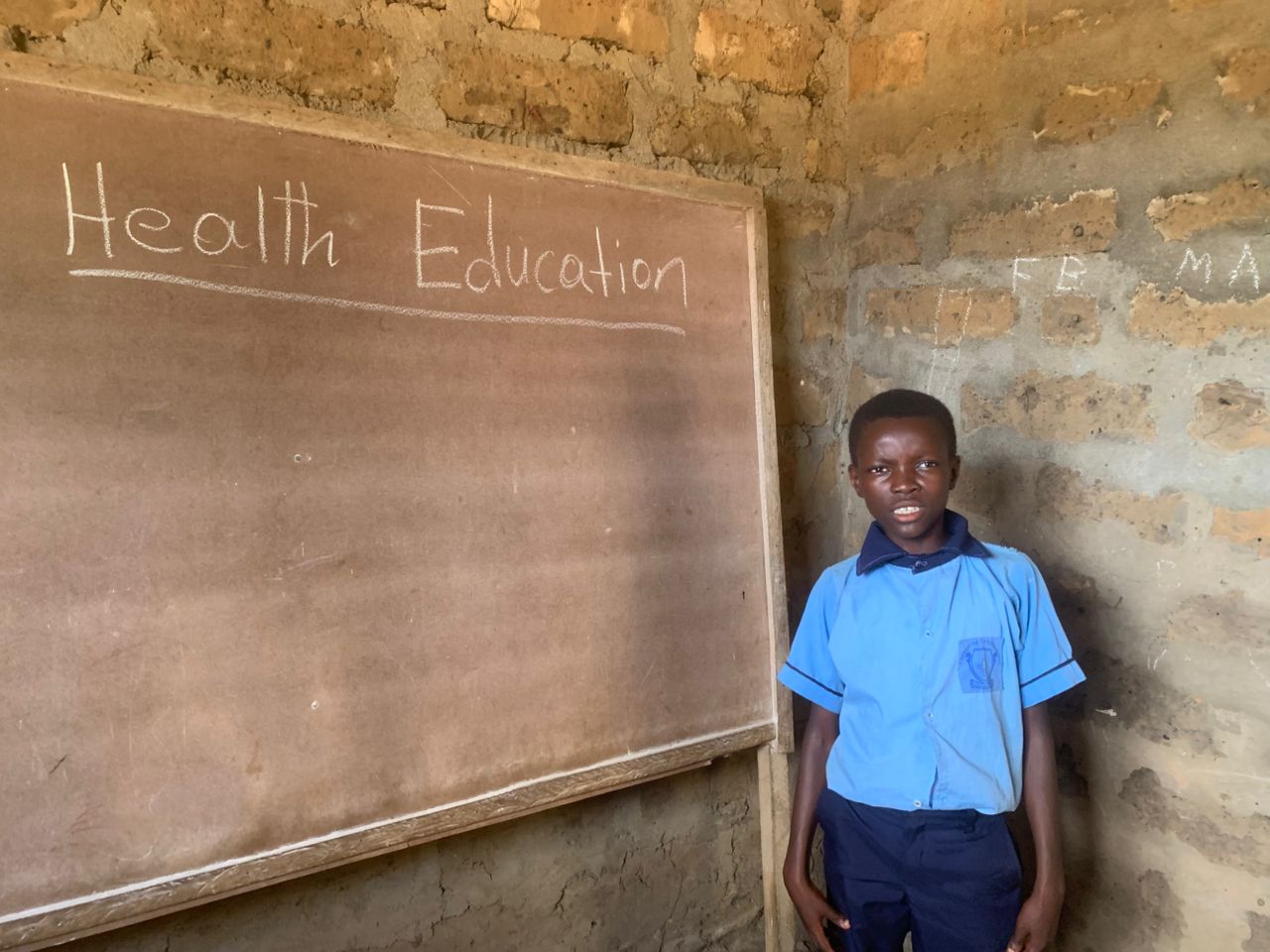
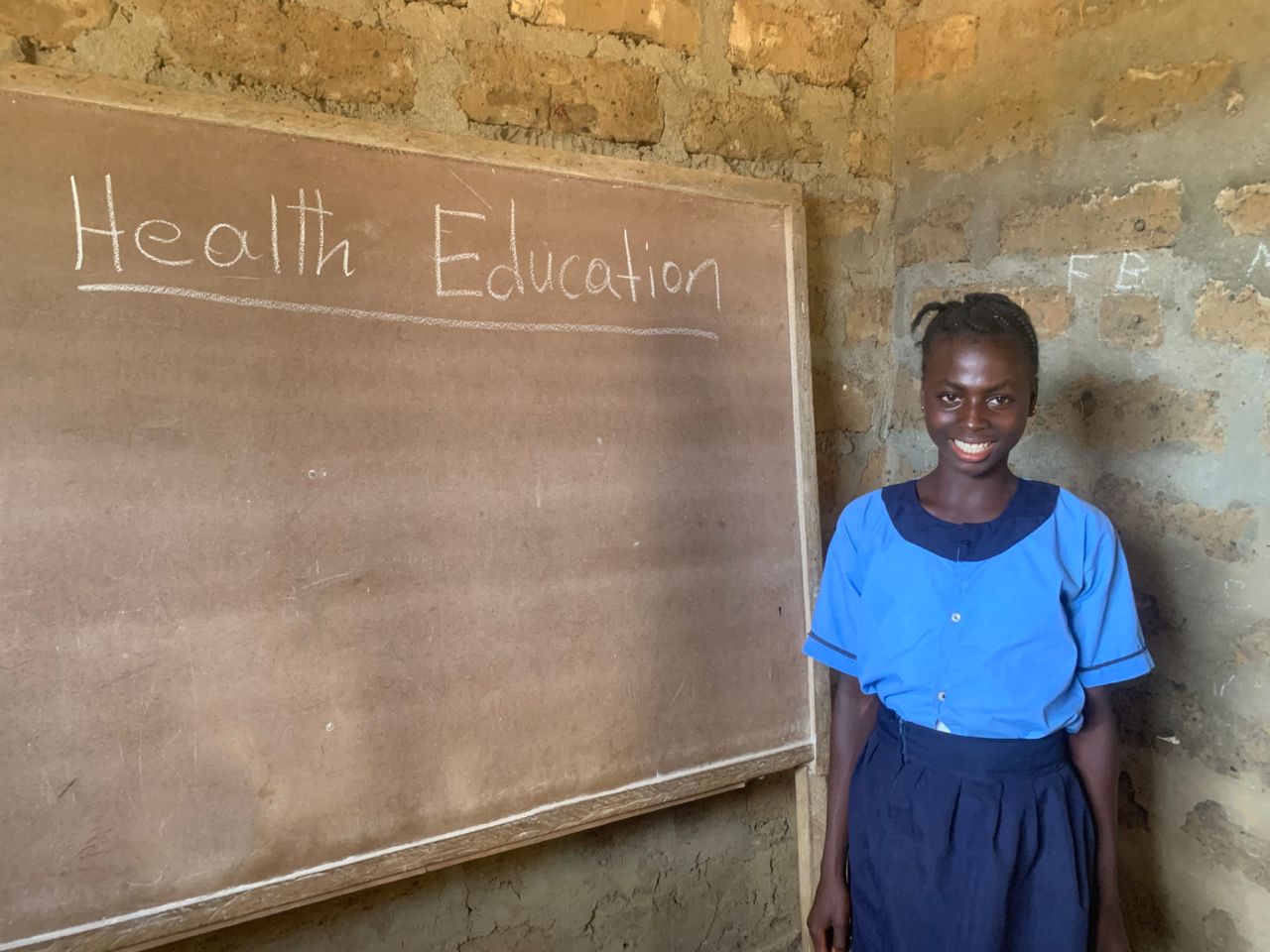
Paul Cohen and Isatu Kamara are sixth-grade students at Empowering Children School in Newton Village, both sharing the dream of becoming doctors one day. They attend health education classes where they learn about nutrition, common diseases, prevention, and how to care for their communities’ well-being.
Paul and Isatu are also the first children in their families to attend school — a milestone that represents new opportunities not only for them, but for future generations. Through their education, they are gaining knowledge about health and modern medicine while building the foundation to help others live healthier lives.